Foot pain is not merely an inconvenience; it can be a debilitating barrier to exercise, work, and even basic daily mobility. The feet bear the entire weight of the body, absorbing immense impact with every step, making them highly susceptible to conditions ranging from acute injuries to chronic inflammation. While familiar remedies like rest and ice are always a starting point, achieving true, long-lasting relief often requires a deeper understanding of the underlying causes and the adoption of modern, targeted solutions.
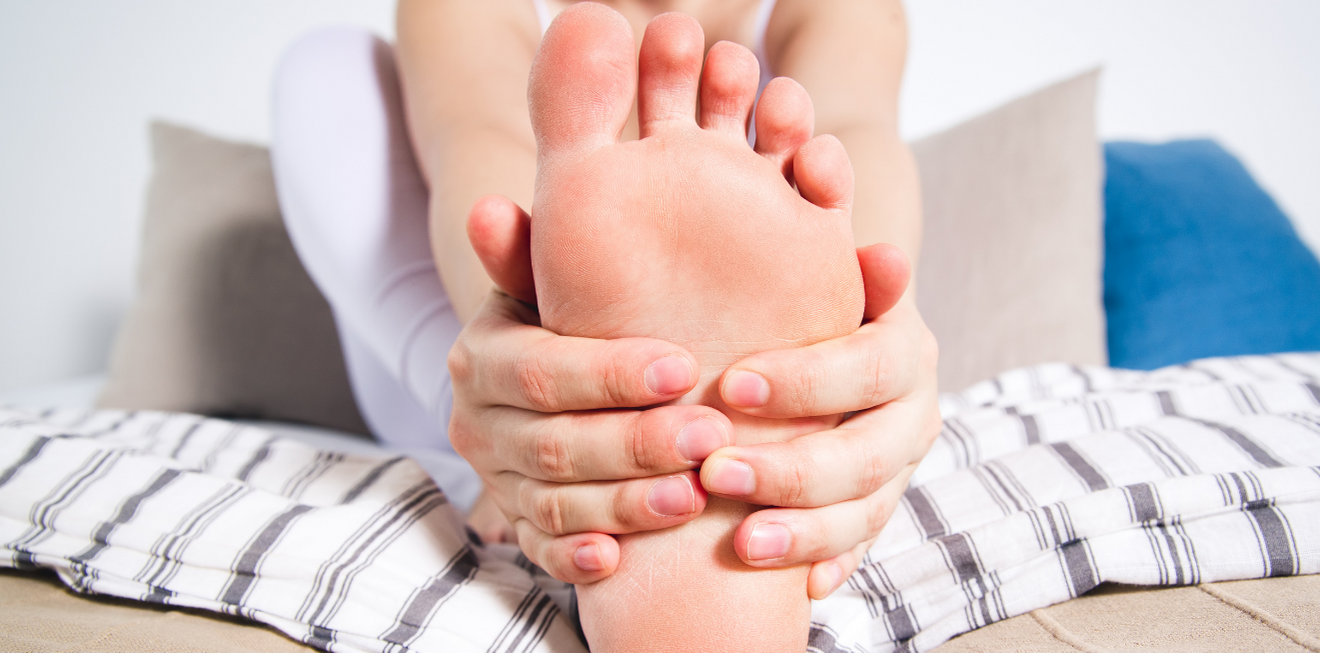
This article explores a range of effective, often “cool” (meaning innovative and highly effective) strategies—from biomechanical adjustments to advanced recovery techniques—that can transform the daily struggle of foot pain into a path toward comfortable and active living.
Decoding the Culprit: The Most Common Foot Pain Sources
Before applying any solution, it is vital to correctly identify the source of the pain. The two most frequent culprits for chronic foot and heel pain are plantar fasciitis and Achilles tendonitis.
1. Plantar Fasciitis
This is the most common cause of heel pain, characterized by a sharp, stabbing pain, usually experienced with the very first steps in the morning or after a period of rest. It involves inflammation of the plantar fascia, a thick band of tissue that runs across the bottom of the foot, connecting the heel bone to the toes.
2. Achilles Tendonitis
This involves pain and stiffness along the Achilles tendon, which runs down the back of the lower leg. It is often an overuse injury common in runners, characterized by tightness and pain in the heel and lower calf.
3. Metatarsalgia and Neuromas
These conditions cause burning, aching, or numbness in the ball of the foot, often due to compressed nerves or inflamed joints near the toes.
Regardless of the diagnosis, the “cool” solutions aim to address the same core issues: reducing inflammation, improving biomechanics, and strengthening surrounding support structures.
The Biomechanical Solution: Correcting the Foundation
Many foot problems are the result of poor foot posture, which distributes weight unevenly and places undue stress on certain tissues. The most effective long-term fixes involve correcting this foundation.
1. Custom Orthotics (The Personalized Approach)
While over-the-counter insoles can offer temporary padding, custom-molded orthotics are a game-changer. These devices are precisely shaped to the unique contours of your feet and are designed to correct subtle gait abnormalities, such as excessive pronation (rolling inward) or supination (rolling outward). By properly aligning the foot, ankle, and lower leg, custom orthotics immediately reduce strain on the plantar fascia, Achilles tendon, and arch. This is one of the most clinically proven ways to manage chronic foot pain.
2. Zero-Drop Footwear and Foot Strengthening
A growing number of therapists advocate for strengthening the feet through “minimalist” or zero-drop shoes (shoes with no height difference between the heel and the forefoot). While a cautious transition is necessary, this approach encourages the foot’s intrinsic muscles—the tiny muscles within the arch—to engage naturally.
- Cool Drill: Practice “towel scrunches” (using your toes to scrunch up a towel on the floor) or marble pickups to awaken and strengthen the arch-supporting muscles. Strong feet are resilient feet.
The Recovery Solution: Targeted Relief and Repair
Immediate relief is essential to break the pain-inflammation cycle. These strategies move beyond simple icing to provide deeper, more effective recovery.
1. Night Splints (The Overnight Fix)
For chronic plantar fasciitis, pain is worst in the morning because the plantar fascia contracts overnight. A night splint is a device that keeps the foot in a gentle dorsiflexion (toes pointing up) while sleeping. This position maintains a slight stretch on the plantar fascia and Achilles tendon, preventing the painful shortening that occurs at night. Consistent use can dramatically reduce morning stiffness within weeks.
2. Contrast Hydrotherapy
This technique involves alternating between hot and cold water soaks. The cold helps reduce inflammation and swelling, while the heat increases blood flow, which brings necessary healing nutrients to the damaged tissues and helps flush out metabolic waste.
- Method: Alternate between soaking the foot in cold water (about 50-60°F) for one minute and warm water (about 98-104°F) for two to three minutes. Repeat this cycle three to five times.
3. Focused Self-Myofascial Release
Instead of general massaging, targeted release can be highly effective. Use a frozen water bottle or a dense, small lacrosse ball.
- Method: Place the frozen bottle or ball on the floor and gently roll your foot over it, focusing on tight spots and the arch. The cold provides both pain relief and inflammation reduction, while the pressure acts like a deep-tissue massage, breaking up adhesions and improving flexibility in the fascia.
Lifestyle and Integration: Making Pain Relief Permanent
Sustainable foot pain management is not just about treatment; it’s about integrating smart habits into your daily life.
1. Strategic Stretching Routine
Dedicate five minutes, three times a day, to stretching the calves and Achilles tendon. Tight calves are a major contributor to plantar strain. The most effective stretch is the wall lean, where one foot is placed back, and the knee is kept straight to stretch the calf muscle. Remember, consistency is more important than intensity.
2. Monitoring Activity Load
For runners or physically active individuals, pain often spikes due to sudden increases in mileage, intensity, or a change in footwear. Adopting the 10% Rule (never increase weekly mileage or load by more than 10%) is crucial for allowing the body’s tissues to adapt and rebuild without injury.
3. Weight Management
The feet bear significantly increased stress with every extra pound. Losing even a small percentage of body weight can drastically reduce the load placed on the plantar fascia and ankle joints, providing a measurable reduction in pain and inflammation.
Conclusion: Stepping Forward Without Pain
Persistent foot pain demands more than just resting until it hurts less; it requires a proactive, multi-faceted strategy. By embracing “cool” solutions—such as precision-fitted custom orthotics, consistent use of night splints, targeted self-myofascial release, and focusing on foot muscle strength—you can directly address the biomechanical faults and inflammation that cause chronic discomfort. Treat your feet not just as extremities, but as the foundational support system they are. Taking these innovative steps allows you to move beyond the limitations of pain and fully participate in the active life you desire.
Would you like to find specialized physical therapists or chiropractors in your area who specialize in custom orthotic assessment?