Benefits of Swimming for Physical and Mental Health
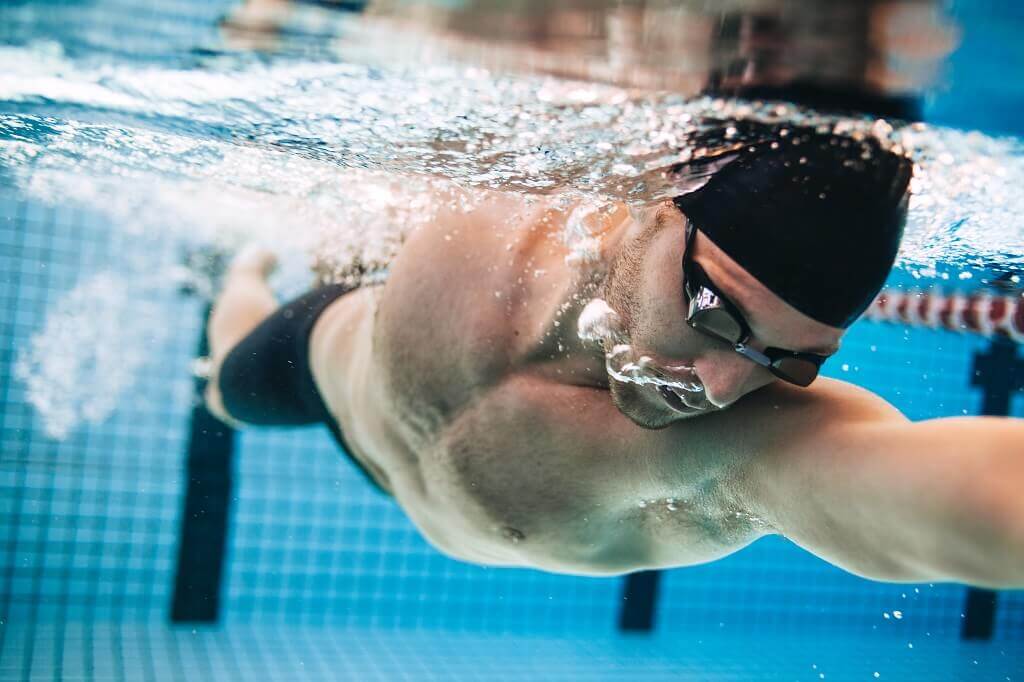
Swimming is a sport that is quite popular and in demand, moreover, it has quite a lot of benefits for physical and mental health. One of the benefits is training the body’s muscles to relieve stress, and much more.
So, for those of you who like to swim but don’t know what the benefits of swimming are. let’s look at the following article.
Build Muscle Mass
The first benefit is building muscle mass. this is because in its movement, almost all the muscles of the body move against the pressure of the water
From there, the strength and flexibility of the body’s muscle mass is trained. This activity is also good for shrinking calves and making them firmer.
Lose Weight
Furthermore, the benefit is losing weight. It is known that swimming for an hour can burn around 400-700 calories, depending on the intensity you do
Well, for those of you …



 Losing a few pounds is pretty high up on the agenda for a vast majority of individuals. Whether or not it’s for well being associated points or for look issues, losing a few pounds is on a variety of peoples’ minds. If you are one of them learn this article and discover a plethora of tricks to get skinny.
 When individuals hear ‘cosmetic surgery,’ they might consider shallow those that solely change their look out of foolish delight. Nonetheless, there are often good causes for getting cosmetic surgical procedure,. Some are breaking your nose, or having unsightly scars. Learn this text for some suggestions, on making the proper alternative!
 Realizing what your options are and what to search for in your medical insurance plans is significant for getting the most effective deal. There are lots of other ways to go about purchasing health care, whether or not by a bunch or particular person plan, an HMO or a PPO. The options are countless. On this article, we will help you perceive among the tips to getting the right protection for you.
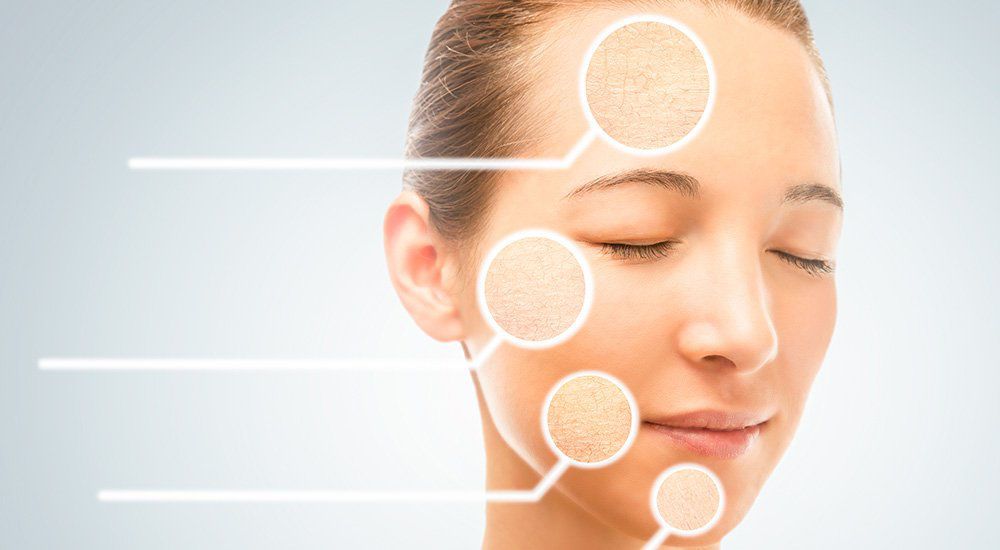
 Skin care was only a matter of vainness. However it may also be a matter of health. Your skin can mirror your health. For example, should you don’t take care to protect your pores and skin from the sun, you might be going through pores and skin harm as a minimum and skin cancer on the worst. This text can help you to know the best way to care to your skin.
 Have you been ready for the right time in your life to really buckle down and lose these further kilos? Nicely that point is right now! Learn on to find the ideas the pros use when they should drop some pounds. It’s never been simpler- just learn and comply with these tips to a more healthy life!